.png)

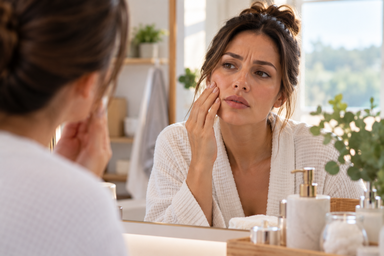
If your skin looks fine in the morning but feels tight, flaky, or dull by the end of the day, you are not imagining it. This is one of the most common concerns we hear from patients throughout Morris County and neighboring Somerset County, and it almost always comes down to one issue: skin hydration. Updated this September 2026, this guide breaks down what is actually happening beneath the surface, why New Jersey's changing seasons make it worse, and what real, effective options exist to help your skin hold onto moisture the way it should.
What Is Skin Hydration, and Why Does It Matter?
Skin hydration refers to the amount of water present in the outer layers of your skin, particularly the epidermis. When hydration levels are healthy, skin looks plump, smooth, and reflects light evenly, which is why well hydrated skin often appears more "glowy" without any makeup at all. When water content drops, the skin's protective barrier weakens, fine lines become more visible, and texture starts to feel rough or tight.
Many people assume this is simply "dry skin," but skin hydration and dry skin are not the same thing.
Is Dehydrated Skin the Same as Dry Skin?
No, and this is one of the biggest points of confusion we address with patients at Marée Aesthetics & Longevity.
Dry skin is a skin type. It means the skin does not produce enough natural oil (sebum), and it is a long term characteristic, not something that changes day to day.
Dehydrated skin is a condition, not a skin type. It means the skin lacks water, and it can happen to anyone, including people with naturally oily skin. You can have oily, acne-prone skin that is also dehydrated underneath, which is why some people notice more shine and more tightness at the same time.
How Can You Tell If Your Skin Is Dehydrated?
A few common signs point specifically to low skin hydration rather than a lack of oil:
- Skin feels tight, especially after cleansing
- Fine lines look more noticeable by the afternoon or evening
- Skin appears dull instead of luminous, even with a consistent skincare routine
- Makeup seems to sit unevenly or settle into lines
- Skin feels rough or slightly flaky in patches, even under moisturizer
If several of these sound familiar, your skin is likely asking for water, not just more oil-based products.
What Causes Low Skin Hydration in the First Place?
Several everyday factors chip away at your skin's water content, and many of them are especially relevant for people living throughout Morris County and Somerset County.
Does New Jersey's Climate Affect Skin Hydration?
Yes, significantly. New Jersey winters bring dry outdoor air combined with indoor heating systems that strip moisture from both the air and your skin. Summer humidity swings and seasonal allergies can add to the stress on your skin barrier as well. This back and forth between cold, dry winters and hot, humid summers means patients throughout Morris County and Somerset County often deal with hydration issues year round, not just in one season.
What Other Factors Contribute to Dehydrated Skin?
- Aging skin barrier: As we age, the skin naturally produces less hyaluronic acid, a molecule that holds onto water within the skin.
- Diet and hydration habits: Low water intake, high caffeine or alcohol consumption, and diets low in essential fatty acids can all reduce the skin's ability to retain moisture.
- Over-cleansing or harsh products: Frequent use of strong exfoliants or hot water can strip the skin's natural barrier.
- Sun exposure: UV damage breaks down collagen and weakens the barrier that normally locks in moisture.
- Indoor heating and air conditioning: Both reduce ambient humidity, pulling water from the skin's surface throughout the day.
Understanding the root cause matters because it shapes which treatment approach will actually help, rather than just masking the problem temporarily with a heavier cream.
Can Skin Hydration Really Affect How Aging Shows Up?
Absolutely. Hydration and the visible signs of aging are closely connected. When the skin lacks water, it loses some of its elasticity and bounce, which makes fine lines around the eyes, forehead, and mouth appear deeper than they actually are. This is sometimes called "dehydration lines," and they can make skin look older by the end of the day even in people who are otherwise seeing good results from their regular skincare or aesthetic treatments.
This is exactly where a well rounded approach to skin hydration becomes so valuable, because addressing water content in the skin does more than improve texture. It also supports the results of other treatments aimed at smoother, more youthful looking skin.
What Treatment Options Actually Help With Skin Hydration?
At Marée Aesthetics & Longevity, we take a layered approach to hydration, because lasting results usually come from supporting the skin both topically and from within.
Can Injectable Skin Boosters Improve Hydration From Within the Skin?
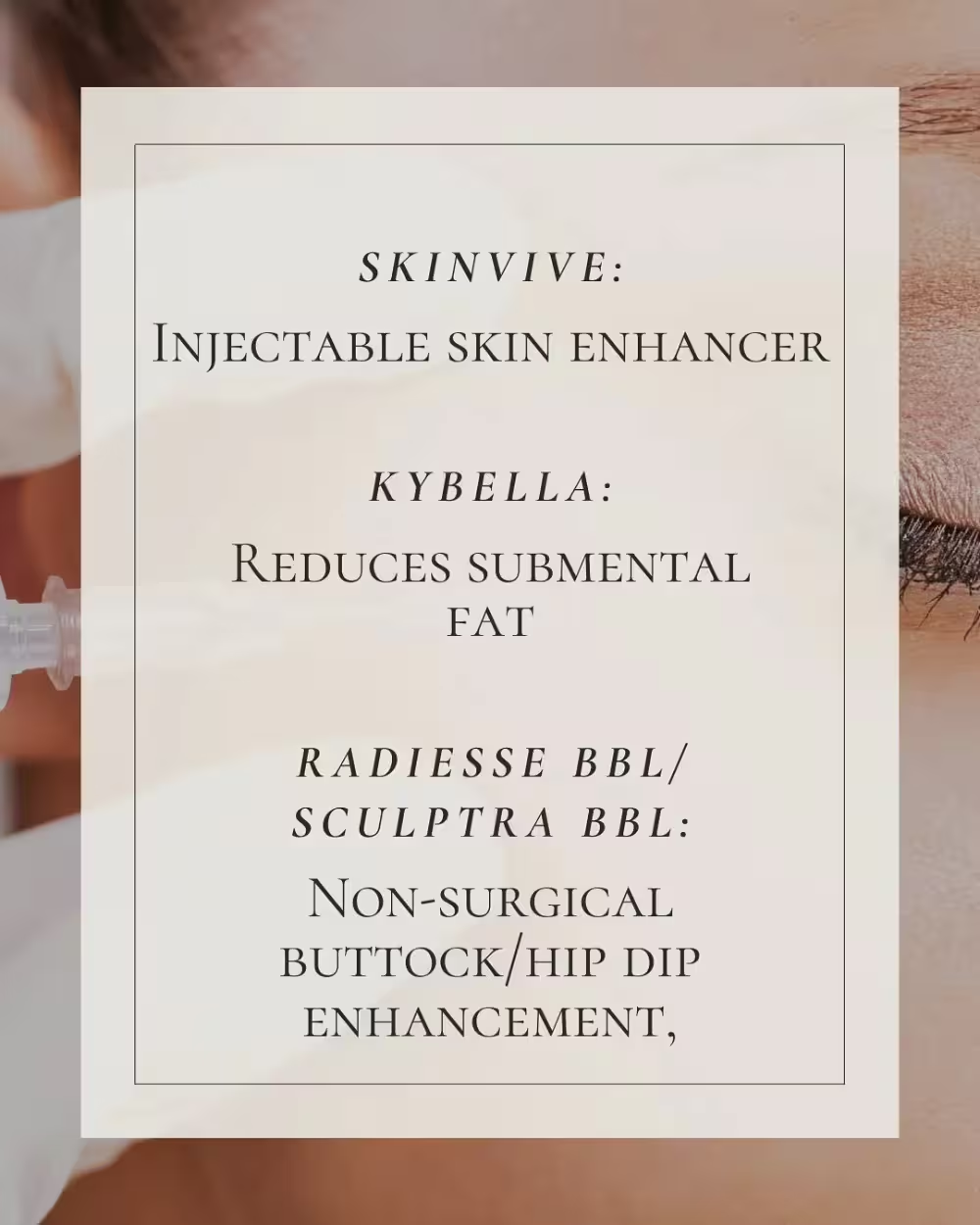
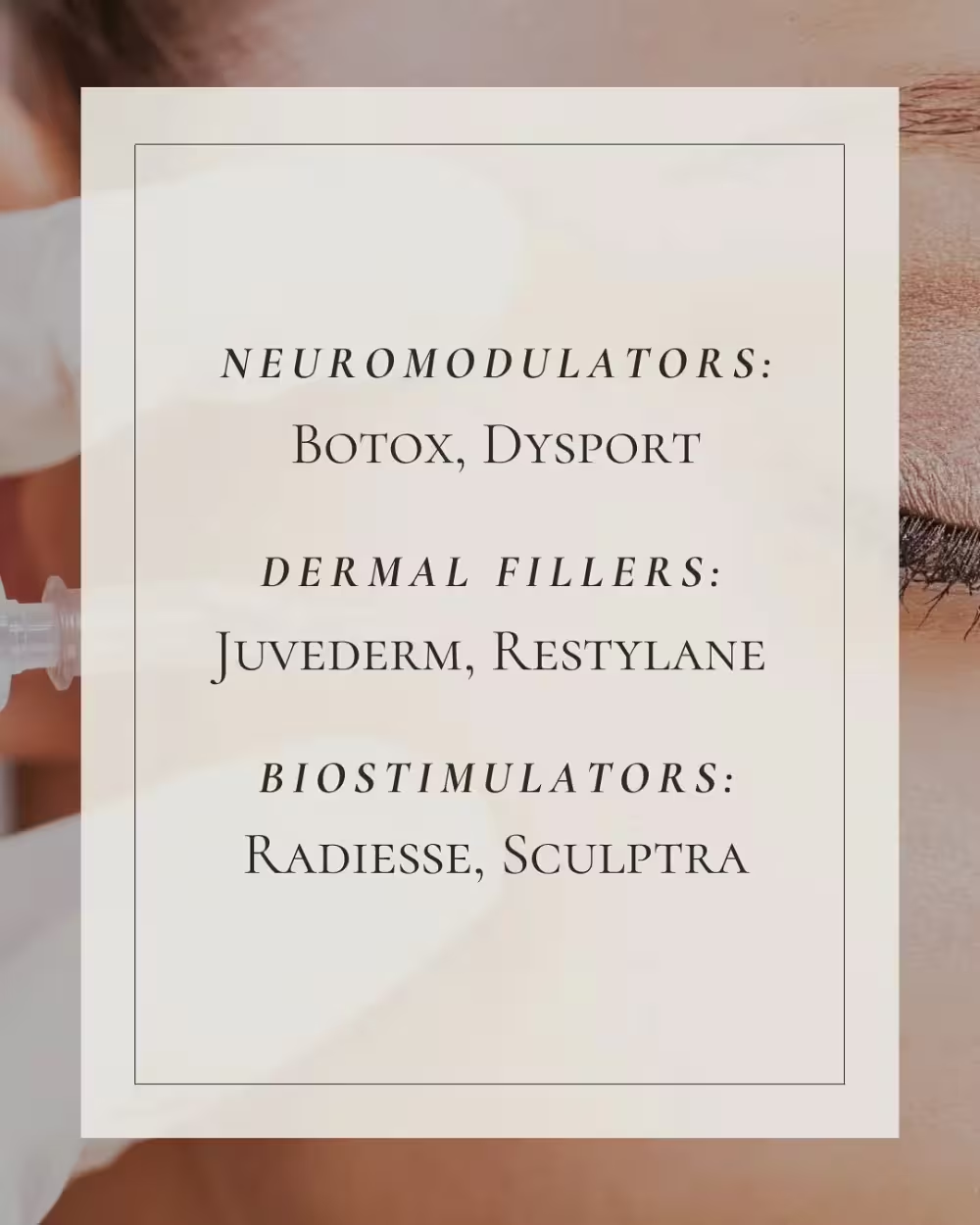
Yes. SKINVIVE by JUVÉDERM is an injectable hydration booster made from hyaluronic acid, the same water-binding molecule your skin naturally loses over time. Rather than adding volume the way traditional fillers do, SKINVIVE is designed to smooth texture and boost hydration from within the skin itself, giving it a fresher, more radiant appearance that builds gradually and looks natural.
This makes it a popular option for patients who feel their skin looks tired or dull even though they do not necessarily want to change their facial shape or volume, a distinction we always walk through carefully during consultations.
How Do Topical Peptides Support Skin Hydration?
Topical peptides work by supporting the skin's natural barrier function and encouraging collagen production, both of which help the skin hold onto moisture more effectively over time. Peptides are often recommended as part of an ongoing skincare routine to reinforce results from in-office treatments and to help maintain skin hydration between visits.
Can Vitamin Therapy Help Hydrate Skin From the Inside Out?
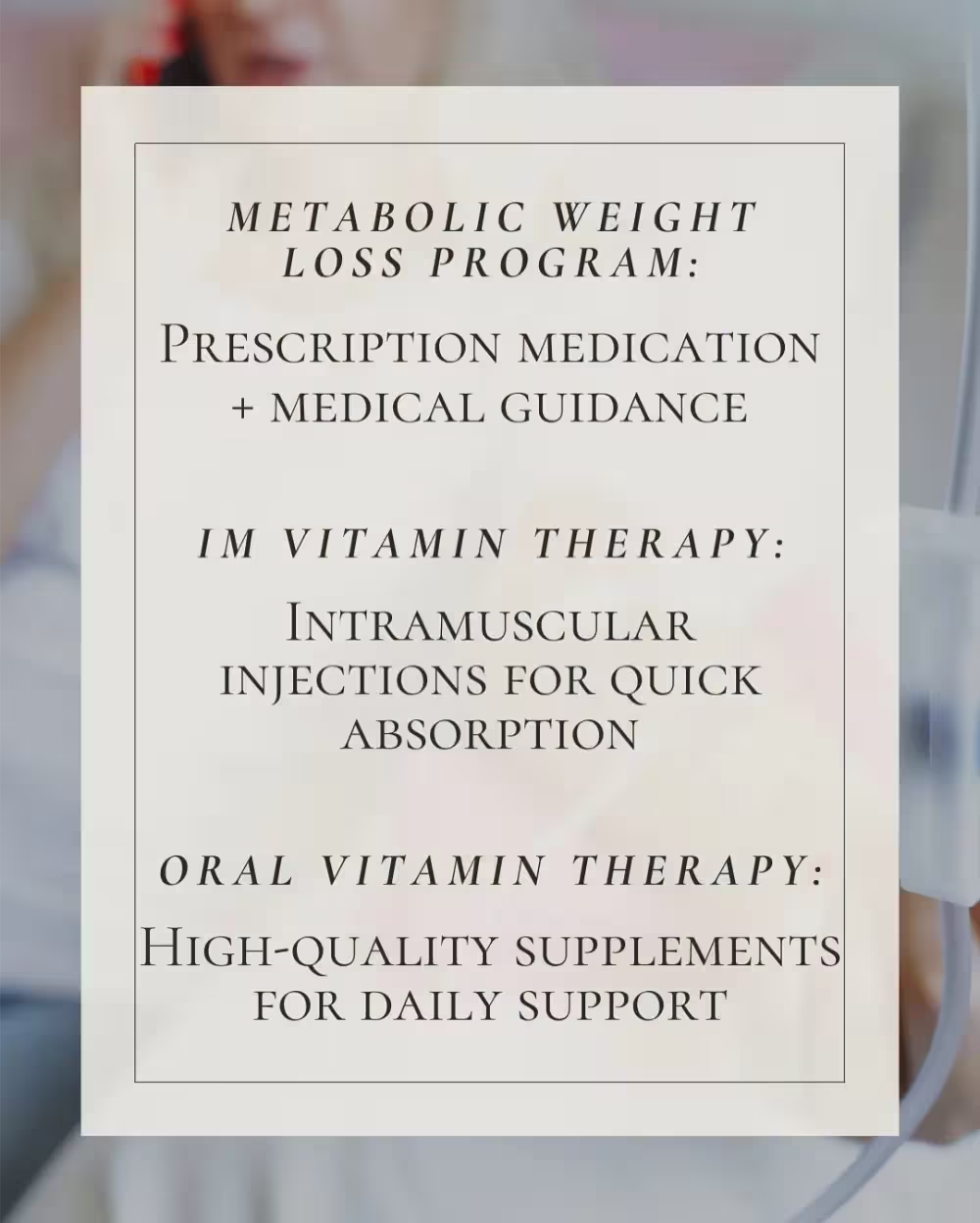
Skin hydration is not only a topical or injectable concern. What happens inside the body matters too. IM vitamin therapy and oral vitamin therapy are designed to support overall wellness, and proper nutrient levels play a meaningful role in skin health, including how well the body retains and utilizes hydration at a cellular level. For patients dealing with fatigue, seasonal dips in energy, or general wellness goals alongside their skin concerns, this inside-out approach often complements topical and injectable treatments well.
Does Microneedling Help With Dehydrated Skin?
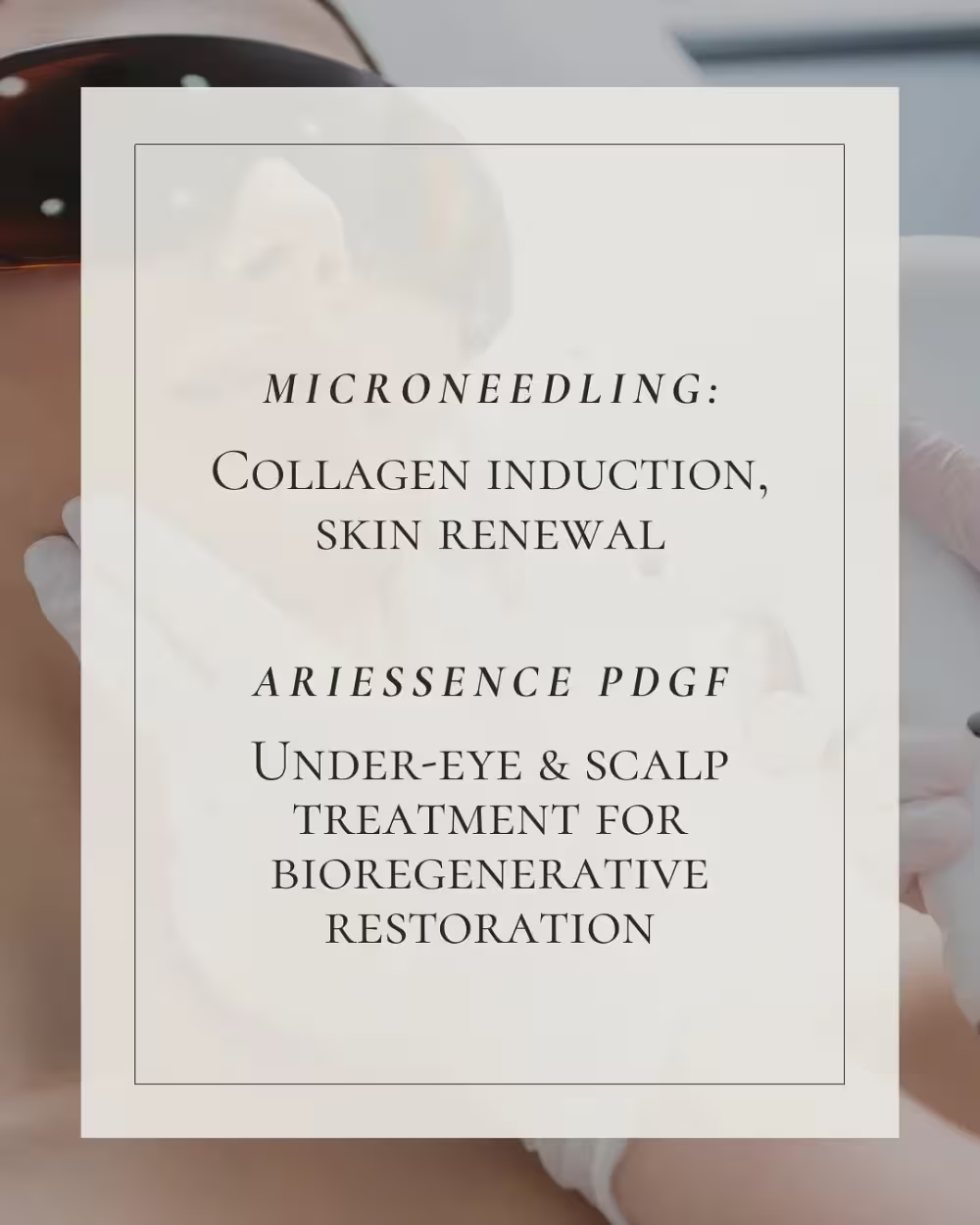
Microneedling creates controlled micro-channels in the skin, which can improve how well hydrating serums and treatments absorb into deeper layers. While microneedling is primarily known for stimulating collagen and improving texture, many patients find that pairing it with hydrating products enhances the skin's ability to retain moisture afterward, supporting a stronger, more resilient barrier over time.
What Should You Expect From Skin Hydration Treatments?
Most patients notice improved smoothness and a healthier glow within days to a couple of weeks, depending on the treatment chosen. Injectable hydration boosters like SKINVIVE typically show gradual improvement over several weeks as the hyaluronic acid integrates with the skin. Topical peptides and vitamin therapy tend to work more cumulatively, meaning consistency matters more than any single session.
Downtime is generally minimal across these treatments, which is one reason they appeal to busy patients throughout Morris County, including towns like Morristown, Chester, and Mendham, as well as Somerset County communities like Bernardsville and Bridgewater, who want real results without significant time away from work or daily routines.
Who Is a Good Candidate for Skin Hydration Treatments?
Good candidates typically include people who notice:
- Persistent tightness or flakiness despite regular moisturizer use
- Dullness that does not improve with topical skincare alone
- Fine lines that appear worse as the day goes on
- A desire to support skin health proactively, not just react to visible aging
A consultation is the best way to determine which combination of treatments makes sense for your skin, your goals, and your lifestyle. Every patient's skin barrier, routine, and underlying causes are a little different, which is why a personalized plan tends to outperform a one-size-fits-all product routine.
How Can Morris County Residents Get Started?
If you are noticing the signs of dehydrated skin and want a plan built around your specific needs, Marée Aesthetics & Longevity, conveniently located in Basking Ridge, welcomes patients from throughout Morris County and Somerset County for personalized consultations. Whether the right starting point is an injectable hydration booster, a supportive vitamin therapy plan, or a combination approach, our team can help you understand your skin's needs and build a realistic path forward. You can explore the full range of services or reach out directly to schedule a visit.
FAQs
What is the difference between dehydrated skin and dry skin? Dry skin is a skin type caused by low oil production, while dehydrated skin is a temporary condition caused by low water content. Anyone, including people with oily skin, can experience low skin hydration.
How long does it take to see results from a skin hydration treatment? It varies by treatment. Injectable hydration boosters like SKINVIVE often show gradual improvement over a few weeks, while topical peptides and vitamin therapy tend to build results with consistent use over time.
Can drinking more water alone fix dehydrated skin? Water intake helps overall health, but it is usually not enough on its own to resolve visible skin dehydration, especially when barrier function, climate, or aging are also contributing factors.
Is SKINVIVE the same as traditional dermal filler? No. SKINVIVE is designed to boost hydration and improve skin texture and glow rather than add volume or shape the way traditional fillers do.
Why does my skin feel worse in the winter here in New Jersey? Cold outdoor air combined with indoor heating reduces humidity levels, which pulls moisture from the skin. This seasonal shift is one of the most common causes of dehydrated skin for people throughout Morris County and Somerset County.
Do I need to combine multiple treatments to improve skin hydration? Not necessarily. Many patients see meaningful improvement from a single approach, though combining treatments, such as an injectable booster with a supportive skincare routine, can offer more complete and longer lasting results depending on your skin's needs.
The Real Secret Behind That "Glow" Everyone's Chasing
At the end of the day, healthy, hydrated skin is not about chasing the newest product on the shelf. It comes down to understanding what your skin actually needs, whether that is barrier support, deeper hydration at a cellular level, or a treatment plan built around your specific concerns. If tightness, dullness, or those end-of-day fine lines have become a familiar pattern, it may be time to look past the moisturizer aisle and toward a more targeted solution. The team at Marée Aesthetics & Longevity is here to help patients throughout Morris County and Somerset County find an approach that actually works, so your skin can look and feel its best, not just in the morning, but all day long.