.png)


If you've ever run your fingers across your cheek and wondered why it doesn't feel as smooth as it used to, you're not alone. A lot of people who come into our Basking Ridge, New Jersey studio aren't dealing with acne or breakouts at all. Their skin just feels rougher than it looks, or looks a little dull and uneven in certain lighting, and they can't quite put their finger on why.
The truth is, skin texture issues don't always come from clogged pores or active blemishes. Sometimes it's sun exposure that's built up over years. Sometimes it's the natural slowdown of collagen production. And sometimes it's stretch marks left behind from growth spurts, pregnancy, or changes in weight that have nothing to do with breakouts at all.
This month, as we move through August 2026, we're seeing more clients than ever asking about texture specifically, not spots, not acne, just the overall feel and evenness of their skin. So let's talk about what's actually happening underneath the surface, and where a treatment like microneedling fits into the picture.
What Causes Rough or Uneven Skin Texture Without Breakouts?
Uneven texture is usually a sign of what's happening in the deeper layers of skin, even when the surface looks relatively clear.
Collagen and Elastin Decline
Starting in your mid-20s, collagen and elastin production begins to slow down gradually. These two proteins are what keep skin plump, bouncy, and smooth. As levels dip, skin can start to feel thinner, looser, and less refined to the touch, even before visible wrinkles show up.
Cumulative Sun Damage
Years of sun exposure, even without obvious burns, can roughen the skin's surface over time. UV rays break down collagen fibers and thicken the outermost layer of skin unevenly, which is part of why sun damaged skin often feels leathery or gritty in certain patches, especially across the cheeks, forehead, and chest.
Dead Skin Cell Buildup
As we age, the skin's natural exfoliation process slows down. Dead cells that would normally shed on their own start to linger on the surface, creating a rough, sometimes flaky texture that can also make skin look dull.
Dehydration
Skin that lacks adequate hydration at the cellular level often feels tight, rough, or crepey rather than smooth and supple. This is different from having oily or dry skin on the surface, it's about moisture retention deeper in the skin barrier.
Stretch Marks From Rapid Skin Stretching
Stretch marks form when skin is stretched faster than collagen and elastin can keep up, whether that's from puberty growth spurts, pregnancy, weight fluctuations, or muscle gain. The result is a textural change where the skin appears thinner and slightly indented or streaky compared to the surrounding area.
Genetics
Some people are simply more genetically prone to textural concerns like keratosis pilaris-like roughness (those small, sandpaper-like bumps often found on the arms or thighs) or slower collagen turnover overall. If your parents dealt with rough patches or stretch marks, you may notice similar patterns.
Who Tends to Be Affected by Textural Skin Concerns?
Textural irregularities don't discriminate by age, but they do show up differently depending on life stage. Younger adults often notice stretch marks from growth or fitness changes, while clients in their 30s, 40s, and beyond in Basking Ridge tend to come in concerned about overall roughness, sun damage accumulation, and a general loss of that smooth, "glass skin" look they remember having years earlier.
People with a history of significant sun exposure, frequent weight changes, pregnancy, or a family history of skin laxity issues also tend to notice these concerns earlier and more noticeably.
Common Areas Where Uneven Texture Shows Up
While facial texture is the most commonly discussed, it's far from the only area people ask about. We regularly hear concerns about:
- Cheeks and forehead, where sun damage and collagen loss are most visible
- Chest and décolletage, an area often overlooked in skincare routines
- Abdomen, thighs, and hips, common locations for stretch marks
- Upper arms, where rough, bumpy texture is frequently genetic
Why Do Over-the-Counter Exfoliants and Creams Often Fall Short?
It makes sense to reach for a drugstore scrub or a retinol cream when your skin feels rough. And to be fair, these products can help with surface-level dullness. The problem is that most textural concerns, especially those tied to collagen decline or stretch marks, originate below the surface layer that topical products can actually reach.
Exfoliants work on dead skin cells sitting on top of the skin. Creams, even good ones, can support hydration and encourage some skin cell turnover, but they aren't designed to stimulate deeper collagen remodeling. That's why so many people tell us they've tried "everything" from the skincare aisle without seeing the change they're hoping for. It's not that their routine is wrong, it's that some concerns need a treatment that works at a different depth.
How Microneedling Helps Improve Skin Texture
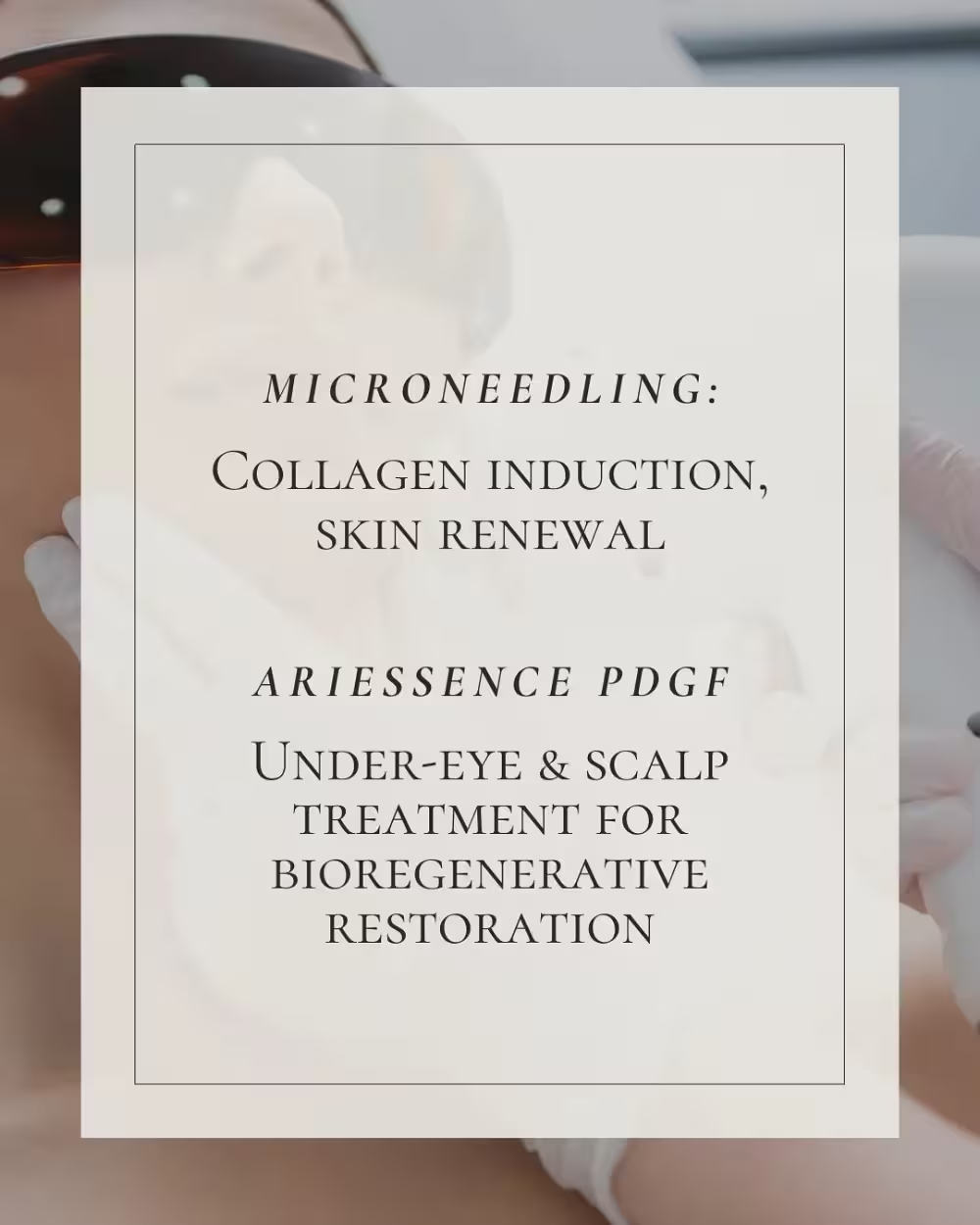
This is where microneedling comes in as a meaningful option for many of our Basking Ridge clients. The treatment uses a device with fine, sterile needles to create controlled, microscopic channels in the skin. This triggers your body's natural wound healing response, which includes ramping up collagen and elastin production in the treated area.
Rather than just addressing what's sitting on the surface, microneedling works with your skin's own repair process to gradually improve firmness, tone, and overall smoothness from within. It's one of the reasons this treatment has become such a staple in our skin rejuvenation offerings.
Is Microneedling a Good Fit for Stretch Marks?
Microneedling can be a helpful part of a broader plan for improving the appearance of stretch marks, particularly ones that have matured and lightened in color over time. That said, results with stretch marks tend to vary more than with general texture or firmness concerns, since stretch marks involve a different type of tissue change. We're always upfront with clients about this. During a consultation, we'll look at the specific marks, their age, and their location to give you a realistic sense of what to expect before building a treatment plan.
Who Is a Good Candidate for Microneedling in Basking Ridge?
Most adults dealing with rough texture, early collagen loss, sun damage related roughness, or mature stretch marks are reasonable candidates. It's generally not recommended for those who are pregnant, have active skin infections, or have certain skin conditions that could be aggravated by the treatment. The best way to know if it's right for you is a quick consultation, where our team can assess your skin in person.
What Does a Microneedling Session and Treatment Series Look Like?
A typical session starts with a thorough cleanse and a topical numbing agent to keep you comfortable throughout. The device is then passed over the treatment area in controlled passes, and the entire process usually takes somewhere between 20 and 45 minutes depending on the area being treated.
Because textural improvement relies on your body's own collagen response, most people benefit from a series of treatments spaced several weeks apart rather than a single session. Your provider will map out a plan based on your specific concerns, whether that's overall facial roughness, chest texture, or stretch marks on the abdomen or thighs.
What Is Recovery Like?
Expect some redness and mild sensitivity for a day or two after treatment, similar to a light sunburn. Most clients are comfortable returning to normal activities the next day, though we recommend avoiding direct sun exposure and sticking to a gentle skincare routine while your skin heals. Our team will walk you through exactly what products to use and avoid during recovery.
What Results Can You Realistically Expect, and When?
Collagen remodeling takes time, so results build gradually rather than appearing overnight. Many clients start noticing smoother, more even texture within a few weeks of their first session, with continued improvement over the following months as new collagen forms. For stretch marks specifically, improvement tends to be more subtle and gradual, and full results are best evaluated after completing a full series rather than a single treatment.
Every skin type responds a little differently, which is exactly why a proper consultation and customized treatment plan matter so much before starting.
Ready to Talk Texture, Not Just Trends?
If your skin has been feeling rougher than it looks, or you've been quietly Googling why nothing in your medicine cabinet seems to be working, it might be time for a conversation rather than another product swap. Our team at MAREE Aesthetics is here to help Basking Ridge, New Jersey clients understand what's really going on with their skin and build a plan that actually addresses it. You can learn more about our approach on our microneedling service page or reach out to schedule a consultation this month.
Frequently Asked Questions
Does microneedling help with rough skin texture even without acne scars?
Yes. Microneedling is often just as effective for general roughness, sun damage related texture, and firmness concerns as it is for acne scarring, since it works by stimulating collagen production throughout the treated area.
Can microneedling improve stretch marks?
It can help improve the appearance of some stretch marks, especially more mature ones, though results vary from person to person. A consultation helps set realistic expectations based on your specific marks.
How many microneedling sessions will I need for texture improvement?
Most texture concerns respond best to a series of treatments spaced weeks apart, rather than a single session, since collagen remodeling happens gradually over time.
Is microneedling safe for sensitive or sun damaged skin?
Microneedling is generally well tolerated on most skin types, including sun damaged skin, but a proper skin assessment beforehand helps determine if it's the right fit for you.
How soon will I see results from microneedling?
Many people notice smoother texture within a few weeks of their first session, with continued improvement over the following months as collagen production increases.